Cicho, nowocześnie i bez spalin. Wodorowe autobusy GZM gotowe do wyjazdu
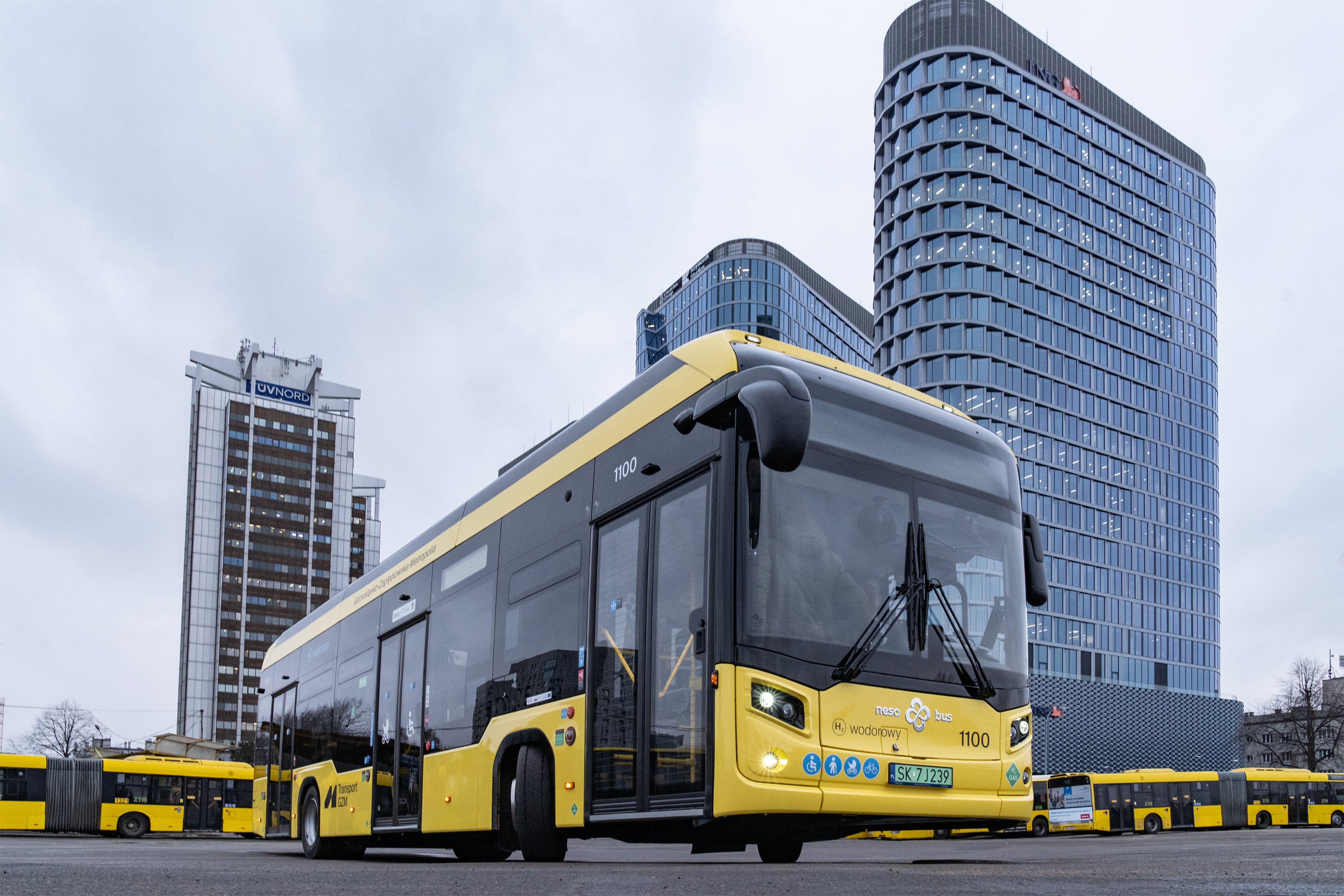
Podróż komunikacją miejską może być cicha, komfortowa i przyjazna dla środowiska. Wiedzą o tym pasażerowie sieci Transport GZM, w której systematycznie przybywa pojazdów niskoemisyjnych. Teraz będzie ich jeszcze więcej.
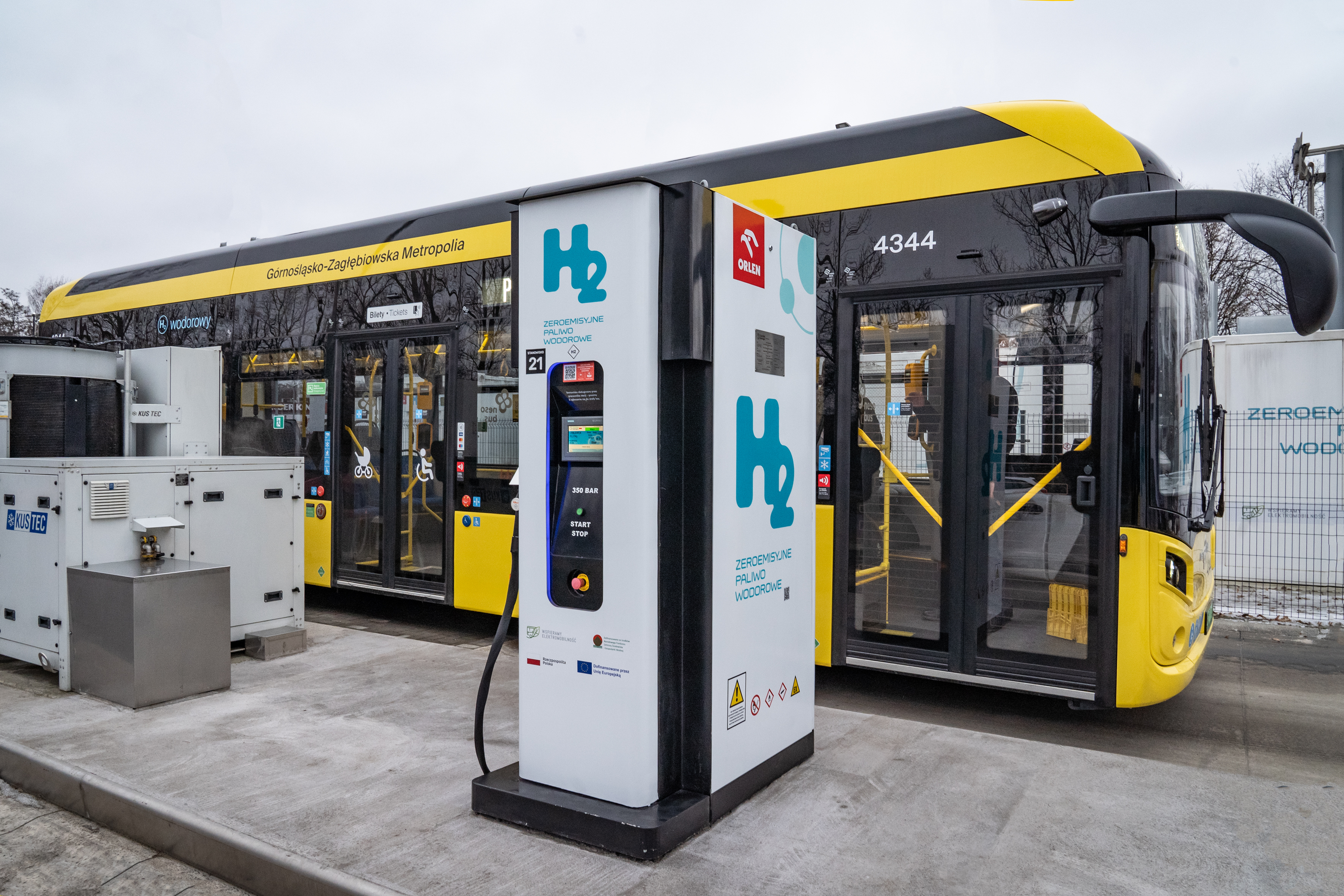
Osiem nowoczesnych autobusów wodorowych, zamówionych jesienią 2024 roku, zostało zaprezentowanych na miejscu ich tankowania – na stacji ORLEN w Katowicach przy ul. Murckowskiej. Ich zakup był możliwy dzięki środkom pochodzącym z Krajowego Planu Odbudowy.
– Traktujemy wprowadzenie autobusów wodorowych jako pilotaż. Chcemy sprawdzić, jak ta technologia sprawdza się w codziennym użytkowaniu – podkreśla Maciej Biskupski, wiceprzewodniczący zarządu GZM. – Tabor niskoemisyjny to dla mieszkańców GZM czystsze powietrze, cichsze ulice i wyższy komfort podróży. Nowe autobusy są także dostępne dla pasażerów ze szczególnymi potrzebami. Dzięki temu transport publiczny staje się realną alternatywą dla samochodu.
GZM zdecydowała się na zakup ośmiu autobusów wodorowych. Pięć z nich trafi do PKM Tychy, a trzy do PKM Katowice.
Prezydent Katowic Marcin Krupa podkreśla, że miasto konsekwentnie stawia na nowoczesny i ekologiczny transport publiczny. – Wydarzenia na świecie pokazują, że warto, aby nasze PKM-y dysponowały taborem o różnych źródłach napędu. Dlatego w Katowicach, obok autobusów elektrycznych, które już w kwietniu będą stanowiły ponad 20 proc. całej floty, mamy również autobusy hybrydowe, na gaz CNG, a teraz także pojazdy wodorowe. To tabor niskoemisyjny, a jednocześnie cichy i komfortowy dla pasażerów. Warto podkreślić, że blisko 140 autobusów PKM Katowice o napędzie spalinowym spełnia normę emisji Euro 6, co oznacza, że transport publiczny w Katowicach realizowany jest z minimalnym wpływem na jakość powietrza – dodaje prezydent.
Wtóruje mu Maciej Gramatyka, prezydent Tychów. – To ważny krok dla Tychów i potwierdzenie, że konsekwentnie rozwijamy się jako nowoczesne miasto. Wodorowe autobusy to realna korzyść dla mieszkańców: czystsze powietrze, mniej hałasu i większy komfort podróżowania. Cieszę się, że Tychy są częścią tej metropolitalnej zmiany – podkreśla.
– Autobusy wodorowe są całkowicie bezemisyjne – nie emitują spalin, a jedynym produktem ich pracy jest para wodna – mówi Igor Śmietański, wiceprzewodniczący zarządu GZM odpowiedzialny za transport. – To realny wkład w poprawę jakości powietrza w miastach Metropolii i zdrowsze otoczenie dla mieszkańców. Nowoczesny napęd wodorowy oznacza również cichszą i bardziej komfortową podróż, z ograniczonym hałasem i wibracjami. Nowe pojazdy oferują wysoki standard wyposażenia, w tym klimatyzację, system informacji pasażerskiej, monitoring oraz udogodnienia dla osób z niepełnosprawnościami. Wprowadzenie wodorowców do regularnego ruchu w sieci Transport GZM to także dostęp do przyszłościowych technologii już dziś oraz ważny krok w stronę nowoczesnej, zrównoważonej komunikacji publicznej w Metropolii.
Koszty niewielkie, ryzyka znikome, zyski niewspółmierne
Pojazdy są już gotowe do codziennej eksploatacji. Dla operatorów komunikacji miejskiej to również okazja do przetestowania nowej technologii w codziennym użytkowaniu. Choć paliwo wodorowe wciąż nie należy do najtańszych, warto pamiętać, że jego zakup jest w zasadzie jedynym kosztem ponoszonym przez PKM-y. Sam zakup pojazdów był możliwy dzięki niemal 90-procentowemu dofinansowaniu ze środków Krajowego Planu Odbudowy, a wszystkie koszty związane z serwisem, naprawami oraz wymianą kluczowych komponentów pozostają po stronie producenta. Ogniwa paliwowe objęto gwarancją na 10 lat, a magazyny energii – na 15 lat.
– Żyjemy w czasach, w których transformacja jest odmieniana przez wszystkie przypadki – mówi prof. Zygmunt Łukaszczyk z Centrum Odnawialnych Źródeł Energii i Technologii Wodorowych Politechniki Śląskiej w Rybniku. – Musimy więc wykonać krok do przodu. Autobusy wodorowe mają wiele zalet. Przede wszystkim oferują duży zasięg, co w ośrodkach wielkomiejskich, z długimi i ciągłymi liniami, stanowi niezwykle istotne rozwiązanie. Po drugie, charakteryzują się szybkim tankowaniem i wysokim poziomem bezpieczeństwa. Para wodna wydobywająca się z rury wydechowej najlepiej oddaje istotę tej technologii – autobusy są zeroemisyjne i realnie przyczyniają się do poprawy jakości powietrza – dodaje prof. Łukaszczyk.
Technologia przyszłości
Autobus wodorowy to w praktyce elektryczny pojazd z własnym źródłem energii. Prąd wytwarzany jest na bieżąco w ogniwie paliwowym z wodoru oraz tlenu pobieranego z powietrza. Proces ten nie wiąże się ze spalaniem – z rury wydechowej wydobywa się jedynie para wodna. Jedno tankowanie, trwające około 15 minut, pozwala przejechać co najmniej 450 kilometrów.
Nowe autobusy będą tankowane na stacji ORLEN w Katowicach.
– Wodór staje się standardem nowoczesnego transportu publicznego – już dziś pozwala samorządom realnie obniżać emisje, poprawiać jakość powietrza i redukować hałas – mówi Jakub Lubiński, dyrektor Biura Technologii Wodorowych w ORLEN. – Ten kierunek rozwoju chcemy jako ORLEN intensywnie wzmacniać, dlatego konsekwentnie inwestujemy w rozbudowę infrastruktury tankowania, która w najbliższych latach obejmie kolejne miasta i stanie się podstawą dalszego rozwoju zeroemisyjnej mobilności w całym regionie – dodaje.
Nie emituje spalin, oczyszcza
Nowe pojazdy to 12-metrowe autobusy o wysokim standardzie wyposażenia, zaprojektowane z myślą o codziennych potrzebach pasażerów. Każdy z nich pomieści co najmniej 85 osób, w tym minimum 25 na miejscach siedzących. Na pokładzie znajdą się m.in. klimatyzacja, Wi-Fi, ładowarki USB, nowoczesne systemy informacji pasażerskiej oraz rozbudowany monitoring.
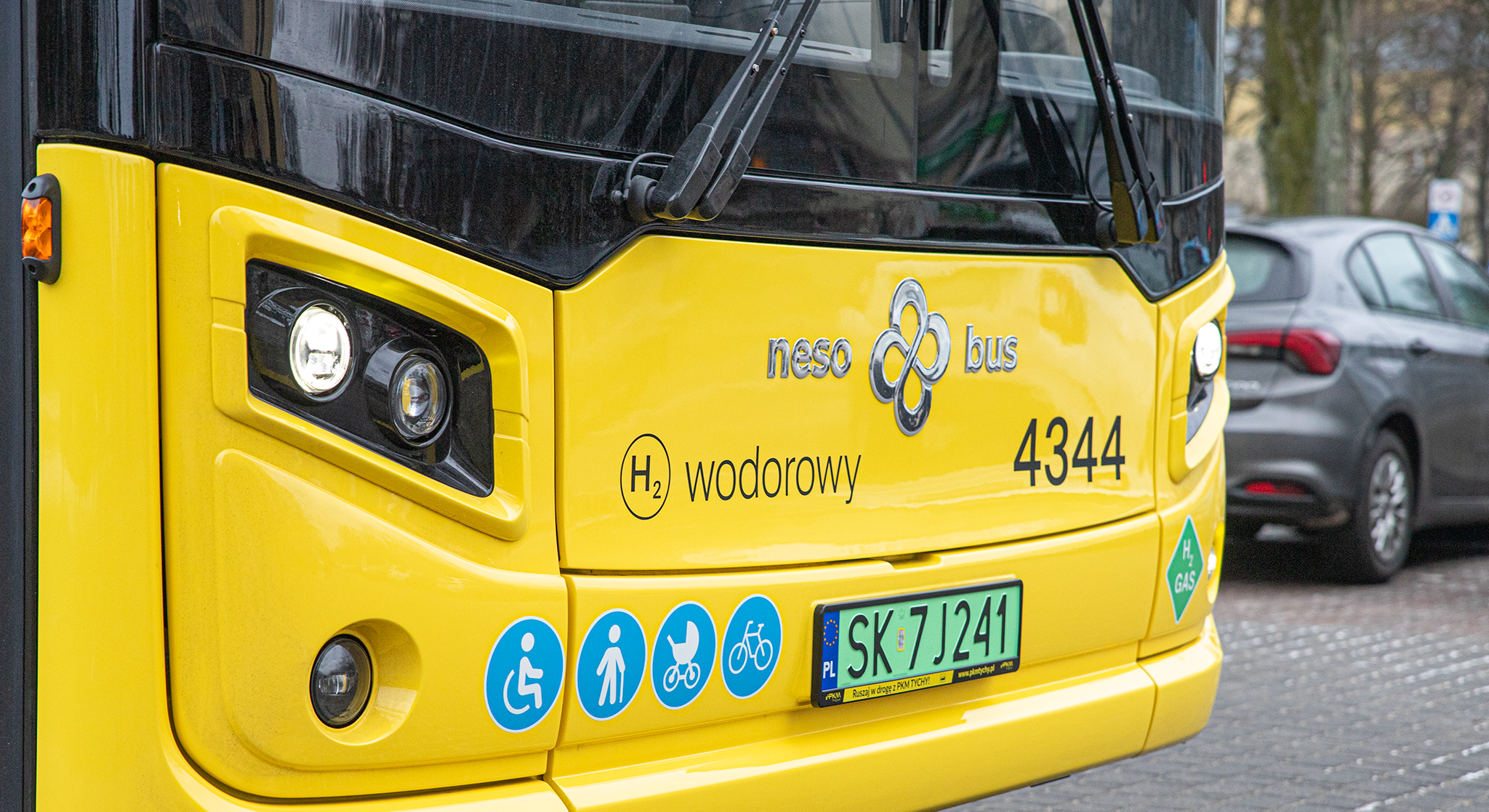
– Przede wszystkim są to autobusy, które nie emitują żadnych zanieczyszczeń do powietrza, a więc są w stu procentach ekologiczne – podkreśla Katarzyna Sobierajska, członek zarządu PAK-PCE Polski Autobus Wodorowy. – Sama nazwa autobusu – Neso – oznacza „nie emituje spalin, oczyszczam”. Autobus wyposażony jest w silniki umieszczone w kołach, a wodór, w połączeniu z tlenem, produkuje energię zasilającą napęd elektryczny. To pojazd w pełni wyposażony, zgodnie ze standardami nowoczesnej komunikacji miejskiej – wygodny dla pasażerów i wyróżniający się przyciągającym wzrok designem – dodaje.
Nowoczesny autobus wyposażono w napęd elektryczny z ogniwem wodorowym, oparty na rozwiązaniach najlepszych światowych producentów instalacji wodorowych. Ogniwa paliwowe, wykonane z najtrwalszych materiałów i wytworzone w nowoczesnych technologiach, zamontowano na dachu pojazdu, a zbiorniki wodoru zapewniają zasięg do 450 km.
Hydrogen GZM
Zakup autobusów wodorowych realizowany jest w ramach projektu „Hydrogen GZM”, który obejmuje również zakup 18 przegubowych autobusów elektrycznych wraz z infrastrukturą do ładowania. Wartość zamówienia na autobusy wodorowe wynosi 31 847 484,72 zł brutto. Projekt jest objęty wsparciem z Krajowego Planu Odbudowy i Zwiększania Odporności. Dofinansowanie całego projektu sięga blisko 90 proc. kosztów kwalifikowanych.